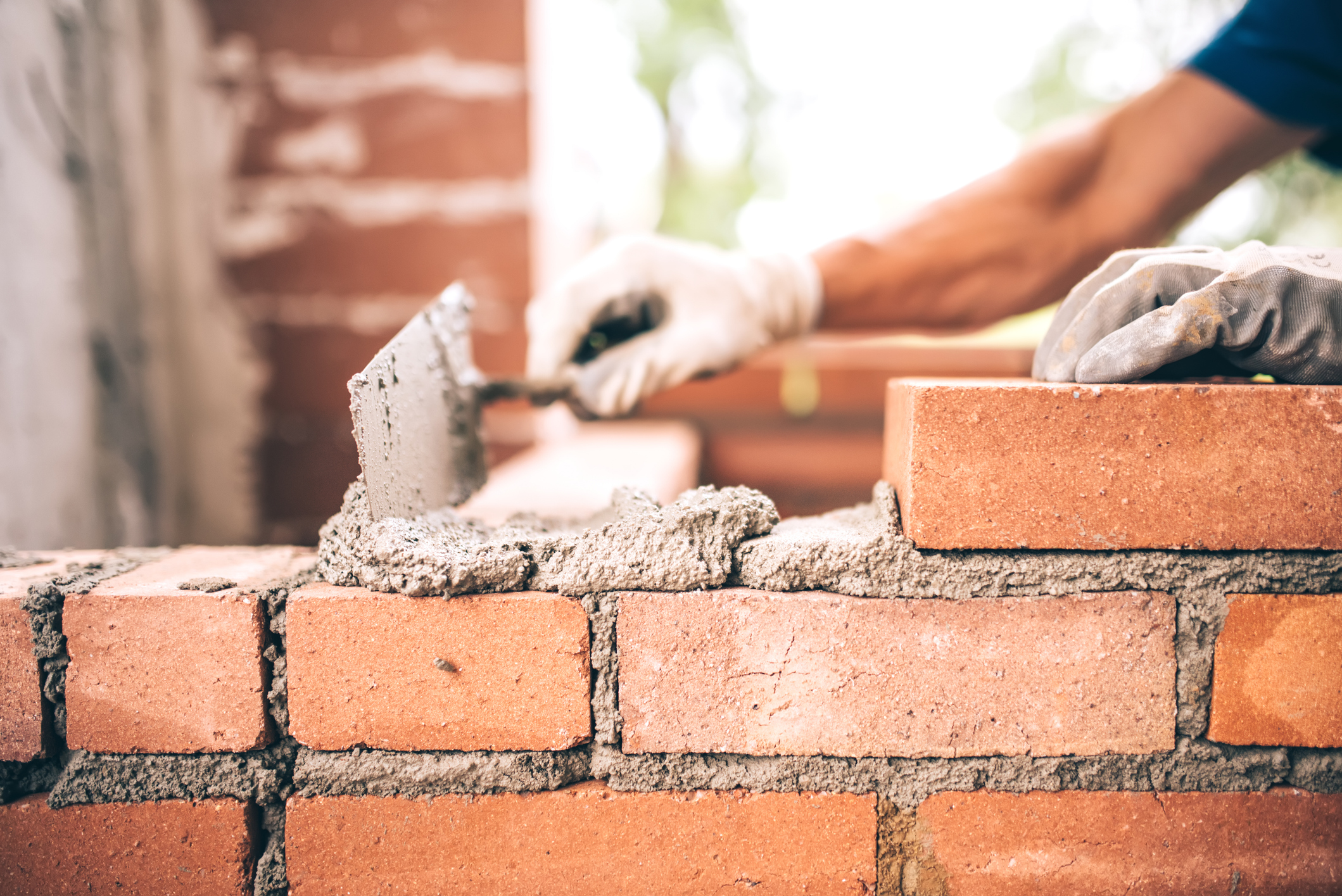
Developers and builders looking to find cost efficiencies for their projects should consider the merits of building with “non-combustible” materials. Materials, like brick, masonry and metal pre-fab panels, can be a source of significant savings on both Builder’s Risk during construction and long-term property insurance costs after completion.
Historically, buildings classified as “non-combustible” have been less likely to burn to the ground, and, as a result, less likely to require full replacement. Because of this loss experience, “non-combustible” buildings have generally enjoyed lower property insurance costs than buildings classified as “combustible”.
That difference can matter even more today as severe weather-related property damage claims continue to grow.
Why Construction Type is Getting More Attention Now
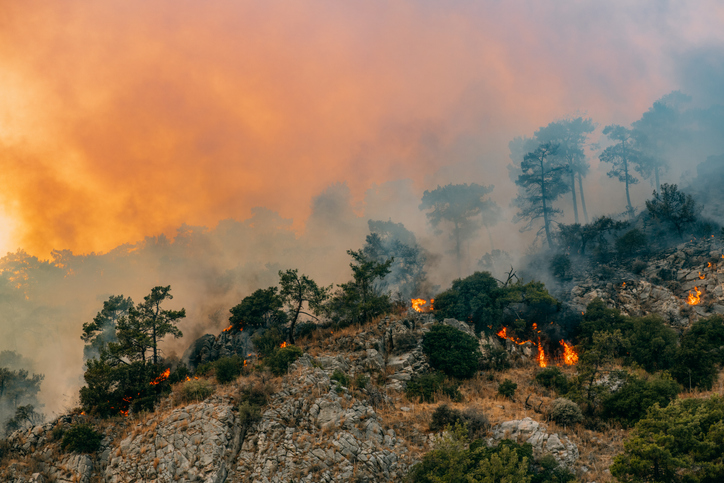
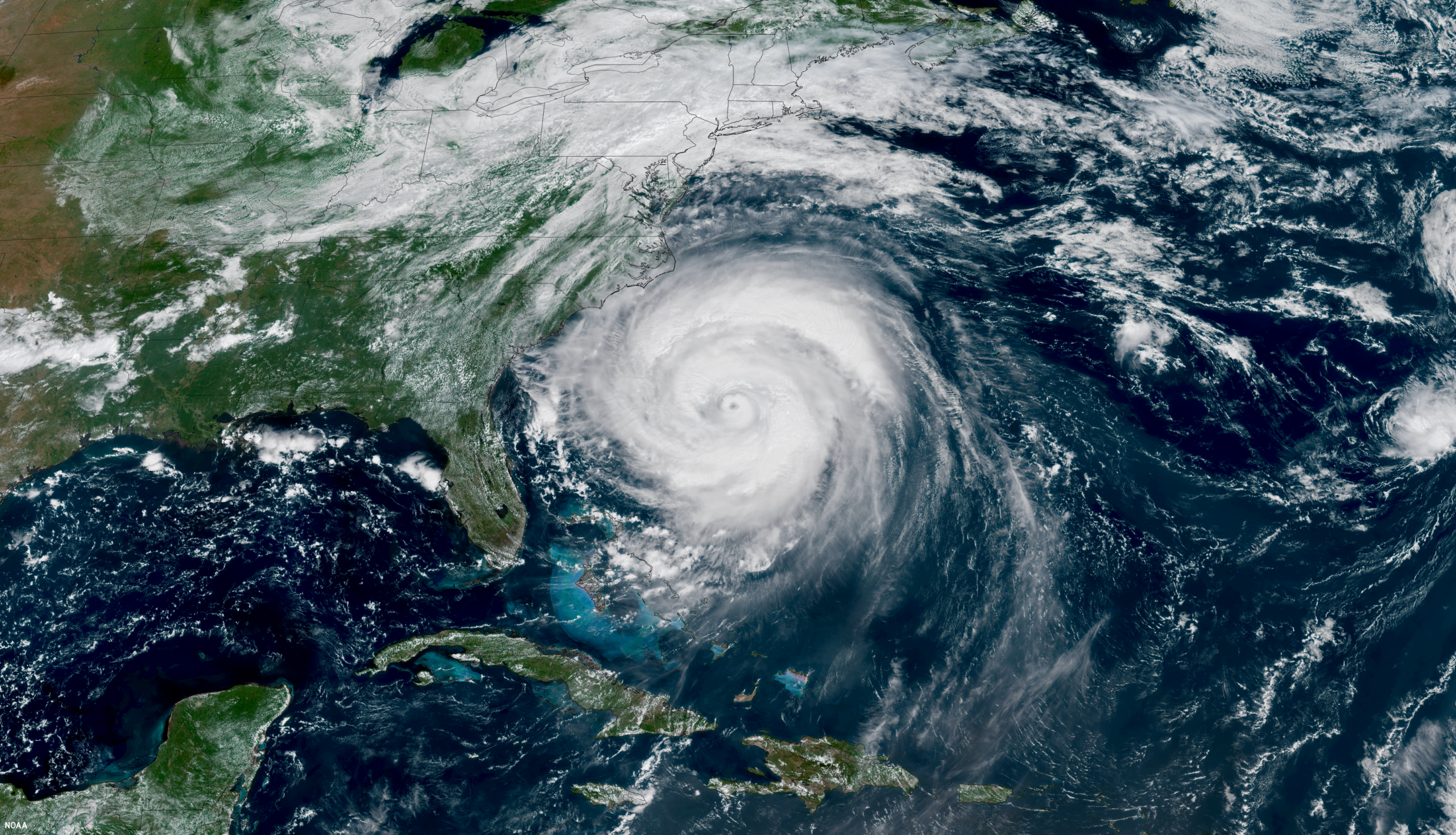
The frequency and severity of weather-related events like floods, windstorms, named storms, and wildfires, have increased the risk of losses that can lead to full building replacement. This growing risk is further compounded by rising construction costs, which can amplify the financial impact of a major loss.
From many underwriting perspectives, “non-combustible” buildings are still generally viewed as having a stronger chance of surviving weather-related perils, and therefore they often receive more favorable premium pricing than “combustible” rated buildings.
Another important consideration: certain “combustible” materials can introduce additional risk related to water damage or water intrusion. This is worth noting because, as highlighted in this discussion, water has now replaced fire as the leading ‘peril’ causing property damage to insured buildings.
Key Insurance Advantages to Consider
Given the pricing difference between “non-combustible” and “combustible” buildings, especially with the increasing risk of full building replacement, property developers and builders may benefit from weighing these factors when selecting materials:
- Significant long-term savings on insurance pricing. “Non-combustible” pricing can be as much as 50% less than “combustible” on the cost per $100 of insured value. In areas experiencing severe weather, the difference can be even greater. For example, “non-combustible” pricing in weather-impacted regions (under current market conditions) is about 65-70% less than “combustible” per $100 of insured value.
- More coverage capacity. Insurance carriers are often willing to issue policies with higher coverage limits for “non-combustible” buildings. For example, a Builder’s Risk product may offer $150M in limits for non-combustible masonry/brick but only $62M for combustible wood frame.
- More carrier options from admitted markets. The non-preferred risk associated with “combustible” construction can push coverage into ‘non-admitted’ carriers in the Excess and Surplus (E&S) market, which provide more limited coverage than admitted markets.
- Less Business Interruption and Extra Expense exposure. Reducing the risk of full building replacement can also reduce downtime during restoration, and the related Business Interruption This includes the extra expense of securing a temporary off-site location while restoration is completed.
Bottom Line
Material selection involves many competing priorities, but developers and builders can be well served by evaluating the long-term insurance savings that may come with “non-combustible” construction–particularly as replacement costs and weather-related events continue to grow. Taking a proactive look at construction type early in the project can also help improve coverage options and capacity while supporting a smoother placement process.
Graham Company’s Business Insurance team is available to help evaluate how construction type may impact Builder’s Risk and property insurance outcomes for your project. Please each out to your Graham Company representative to start the conversation.