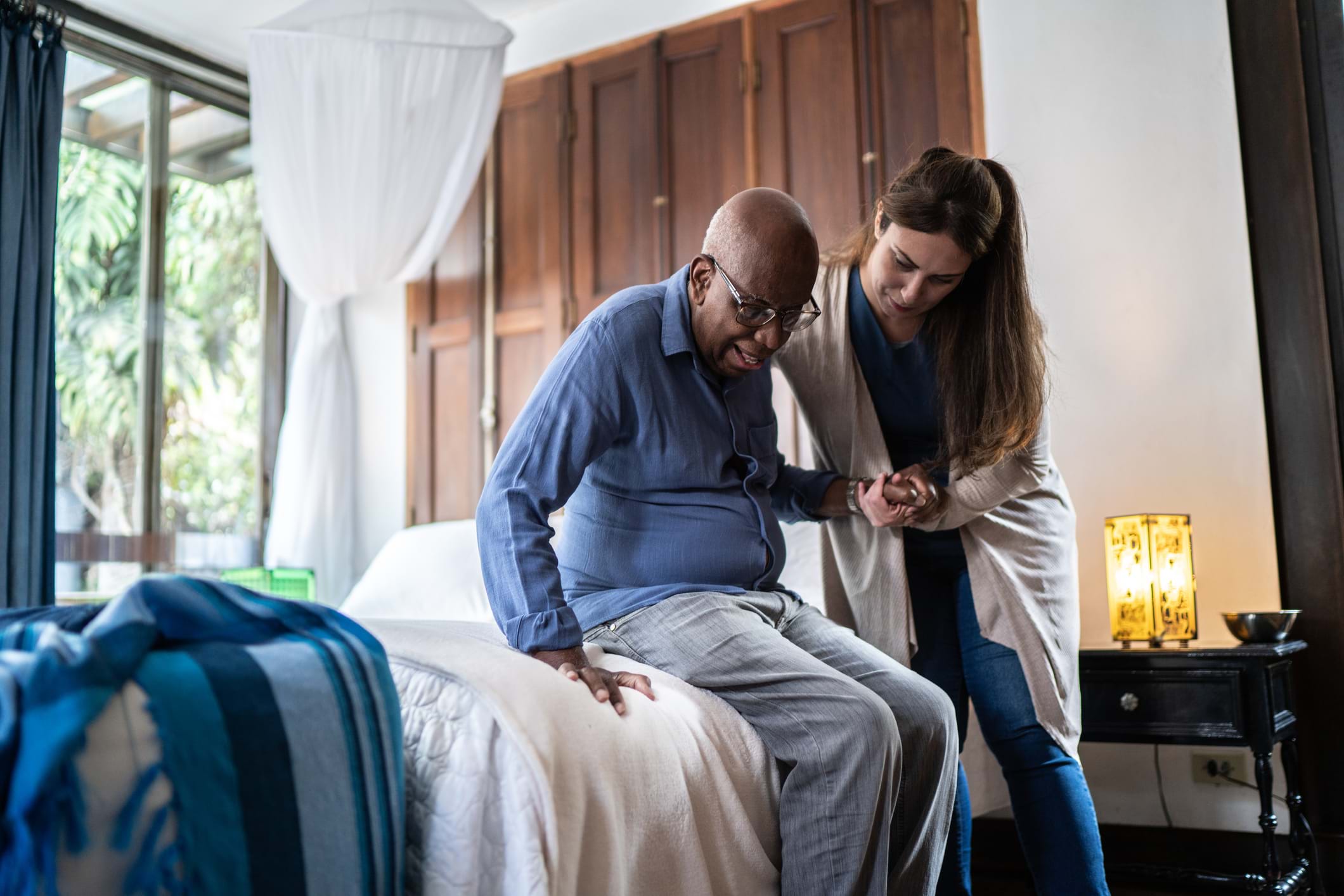
Preventing resident falls in aging services settings is a complex challenge, requiring a multifaceted approach tailored to each individual’s needs. Falls can lead to severe injuries and a decline in the overall health and well-being of seniors. Therefore, a proactive strategy to assess and mitigate fall risks is crucial.
Comprehensive Assessment
The first step in preventing falls is a comprehensive assessment of each resident. This includes reviewing the resident’s health history, conducting a physical examination, evaluating functional capabilities, and assessing their environment. Through this thorough evaluation, providers can identify specific risks that make a senior more prone to falling. For instance, if a resident has a history of falling due to wearing shoes with little traction, providers can work to obtain appropriate footwear. Similarly, if a resident has an unsteady gait, physical therapy can be employed to help them use a walker or cane effectively.
Identifying and Eliminating Risk Factors
While some risk factors can be eliminated, others cannot. Chronic diseases and conditions often lead to changes in physical and cognitive functioning, which are difficult to reverse. In these cases, falls may be considered unavoidable. However, there are still measures that can be taken to reduce the risk of falls.
Providers must first identify all the factors that increase the risk of falling. This involves collaboration between the care team, the resident, and their responsible party. Together, they can determine which factors can be eliminated, such as poor room lighting, cluttered spaces, slick-bottom slippers, or unsecured throw rugs. Eliminating these hazards is the most effective way to prevent falls.
Mitigating Risks
For risk factors that cannot be eliminated, mitigation is the next best approach. Physical therapy and exercise programs can help improve a resident’s unsteady gait, although this takes time. Other mitigation strategies include rearranging the environment to make it safer. For example, if a resident is fiercely independent and refuses to ask for help with ambulation, the care team can work with physical therapy to arrange sturdy furniture along their path to provide support.
Person-Centered Approaches
When dealing with residents who have cognitive decline and poor safety awareness, traditional reminders may not be effective. In such cases, a person-centered approach is essential. Care teams can work creatively with responsible parties to find activities that keep residents engaged and reduce boredom, thereby minimizing the risk of high-risk behaviors like attempting to stand or wander.
Diversional Activities
Care teams effective in preventing falls for seniors with physical and cognitive decline have a variety of strategies to deploy or utilize. They focus on meaningful activities that reduce boredom and promote engagement. Diversional activities can be instrumental in preventing falls. However, finding the right activities requires trial and error.
Members of the care team, including activities and dining services, can play a crucial role in identifying activities that interest the resident. These activities should be balanced with mealtimes, group activities, and periods of rest. For instance, dining services can provide snacks that residents can assemble themselves, such as building cracker sandwiches or making peanut butter sandwiches. These tasks not only occupy the resident’s time but also reduce the likelihood of high-risk behaviors.
Occupational Therapy and Personalized Activities
Occupational therapy can also provide valuable suggestions for fall prevention activities. These might include tasks that the resident enjoys, such as folding napkins or washcloths, sorting poker chips, or stringing large beads. Some residents might enjoy cutting pictures from magazines, reminiscent of earlier days clipping coupons.
Additionally, activities staff can offer over-the-ear headphones with relaxation music or a large tablet with a coloring app for artistic residents. Using headphones and a tablet with a keyboard app can help residents create music or enjoy sounds, keeping them engaged and reducing the risk of falls.
Conclusion
Creating meaningful individual pursuits is key to preventing falls in seniors who are unsteady on their feet and unaware of safety risks due to cognitive decline. While finding activities of interest can be challenging, the reward of potentially preventing a fall is well worth the effort. By employing comprehensive assessments, eliminating hazards, mitigating risks, and using person-centered approaches, care teams can significantly reduce the incidence of falls in aging services settings.